Asbestos Testing Lab Service
Learn some safety and practices of asbestos Sample testing procedures
Asbestos Testing Resource Centre Is Here to Help You Learn where asbestos was used, why it was used, health risks, testing options, safety rules, and what to do before renovating or removing materials
Where Asbestos Was Used?
Asbestos was widely used in residential, commercial, and industrial materials for decades because of its strength, heat resistance, fire protection, and insulating properties. It was commonly found in popcorn ceilings, drywall compounds, vinyl flooring, insulation, pipe wrap, roofing products, siding, boilers, and many other building materials. Exposure to airborne asbestos fibers may pose serious health risks, including mesothelioma, lung cancer, and asbestosis. Before renovating, demolishing, sanding, cutting, or removing older materials, asbestos testing is strongly recommended to help identify potential hazards. Professional laboratory testing can help determine whether materials contain asbestos and assist property owners, contractors, and homeowners in making informed decisions regarding safety regulations, handling procedures, repairs, or asbestos abatement options.
What is Asbestos?
Asbestos is a naturally occurring mineral made up of microscopic fibers that are resistant to heat, fire, chemicals, and electrical damage. Because of these properties, asbestos was widely used in building materials, insulation products, industrial equipment, automotive parts, and commercial construction materials for many decades. When asbestos-containing materials are damaged or disturbed, tiny fibers may become airborne and can potentially be inhaled.
Why Was Asbestos Used?
Asbestos became popular because it was inexpensive, durable, fire resistant, and an excellent insulator. Manufacturers used asbestos to strengthen products and improve resistance to heat, moisture, and corrosion. It was commonly added to building materials such as drywall compounds, ceiling textures, vinyl flooring, roofing products, pipe insulation, cement products, and industrial equipment. At the time, asbestos was considered an effective solution for improving safety and durability in homes, businesses, factories, and commercial buildings.
Types of Asbestos
There are six recognized types of asbestos minerals, with three being the most commonly used in commercial products:
Chrysotile (White Asbestos)
The most commonly used form of asbestos. Frequently found in drywall compounds, vinyl flooring, roofing materials, insulation, ceiling textures, and cement products.
Amosite (Brown Asbestos)
Often used in insulation boards, pipe insulation, cement sheets, and commercial building materials because of its heat resistance.
Crocidolite (Blue Asbestos)
Known for its strong fibers and resistance to chemicals. Commonly used in industrial insulation, spray coatings, pipe insulation, and specialized products.
Other less common asbestos types include tremolite, anthophyllite, and actinolite, which may appear as contaminants in certain materials or mineral products.
Where Asbestos Came From
Asbestos was mined in several countries around the world for industrial and commercial use. Major asbestos-producing regions included Canada, Russia, China, South Africa, Brazil, and parts of Australia. Canada was once one of the world’s largest asbestos producers, with major mining operations located in Quebec. Asbestos materials and products were widely distributed throughout North America and used extensively in residential, commercial, institutional, and industrial construction projects.
Residential Materials
Asbestos was commonly used in residential construction materials because of its strength, insulating properties, and resistance to heat and fire. Many homes built before modern asbestos restrictions may still contain asbestos-containing materials in areas such as popcorn ceilings, drywall compounds, vinyl floor tiles, flooring adhesives, pipe insulation, vermiculite attic insulation, cement siding, roofing products, textured coatings, and heating duct insulation. Older renovation materials and repair products may also contain asbestos.
Commercial Buildings
Commercial buildings frequently used asbestos materials in offices, schools, hospitals, apartment buildings, shopping centers, hotels, and public facilities. Asbestos was often installed in suspended ceiling systems, fireproofing materials, drywall systems, pipe insulation, boiler insulation, HVAC systems, flooring products, roofing materials, spray coatings, and mechanical rooms. Many older commercial properties still contain asbestos materials hidden behind walls, ceilings, or equipment systems.
Industrial Uses
Industrial facilities widely used asbestos because it could withstand high temperatures and harsh operating conditions. Asbestos was commonly found in factories, refineries, shipyards, power plants, manufacturing facilities, and mechanical equipment. Industrial asbestos products included boiler insulation, gaskets, pipe wrap, cement products, heat shields, fireproof panels, machinery insulation, brake components, and high-temperature protective materials used throughout industrial operations.
Friable vs Non-Friable Asbestos
Friable asbestos refers to materials that can easily crumble, break apart, or release fibers when handled or disturbed by hand pressure. Examples may include spray-applied insulation, pipe insulation, or damaged insulation materials. Non-friable asbestos materials are generally more solid and tightly bound, such as vinyl floor tiles, cement siding, or roofing products. Although non-friable materials may present lower risk when left undisturbed, cutting, sanding, grinding, or breaking these materials may still release asbestos fibers into the air.
Common Places to Check Before Renovation
Before renovating, demolishing, sanding, cutting, drilling, or removing older materials, asbestos testing is strongly recommended. Common materials that may contain asbestos include popcorn ceilings, drywall mud and joint compounds, vinyl flooring, flooring adhesives, attic insulation, pipe insulation, textured wall coatings, roofing materials, exterior siding, HVAC duct insulation, cement boards, and older mechanical insulation. Testing suspect materials before disturbing them may help reduce the risk of airborne asbestos fiber exposure during renovation or demolition projects.
Health Effects of Asbestos Exposure
Exposure to airborne asbestos fibers may pose serious long-term health risks. When asbestos-containing materials are disturbed, microscopic fibers can become airborne and potentially inhaled. Health conditions associated with prolonged or repeated asbestos exposure may include mesothelioma, lung cancer, and asbestosis. Symptoms may take many years or even decades to develop after exposure. The level of risk may depend on factors such as the duration of exposure, concentration of airborne fibers, and the condition of the materials
What Year Was Asbestos Banned
Asbestos regulations and restrictions vary by country and product type. In Canada, comprehensive asbestos regulations were introduced in recent years, although many asbestos-containing materials remained in buildings long after production declined. In the United States, some asbestos products were restricted or phased out over time, but asbestos has not been completely banned in all applications. Because older materials may still contain asbestos, testing is often recommended before renovation or demolition of older structures.
Can I Mail Asbestos Samples?
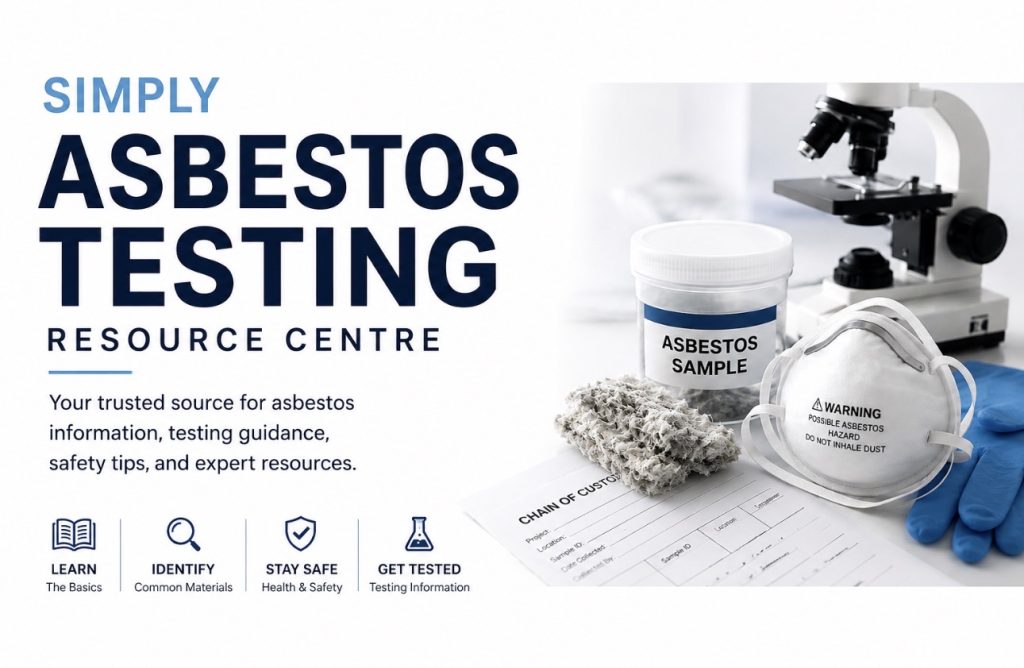
Yes. Small bulk material samples collected for laboratory analysis are commonly mailed to accredited asbestos testing laboratories using proper packaging and labeling procedures. Simply Asbestos provides convenient mail-in asbestos testing kits with sample bags, chain of custody forms, and return mailers designed to simplify the submission process for customers across Canada and the United States.
How Long Do Results Take?
Simply Asbestos Lab results are typically available within approximately 24–36 hours from the time the laboratory receives the samples, excluding weekends and holidays. Turnaround times may vary depending on lab volume, shipping times, holidays, or additional testing requirements.
How Much Sample Is Needed?
asbestos laboratories require only a small material sample for analysis. In many cases, approximately 1/4 teaspoon to 1 tablespoon of material is sufficient depending on the type of product being tested. Sample collection instructions should always be followed carefully to help reduce unnecessary disturbance of suspect materials.
Safety Regulations and Workplace Rules
Asbestos-containing materials are generally considered to present the greatest risk when they are damaged, deteriorating, or disturbed during renovation, demolition, repairs, or maintenance activities. Activities such as sanding, drilling, scraping, cutting, or breaking asbestos-containing materials may release fibers into the air. Materials in poor condition, water-damaged insulation, crumbling textures, or improperly handled renovation debris may increase the likelihood of airborne fiber release. Testing materials before disturbing them can help identify potential hazards and support safer project planning.
Asbestos handling and removal activities are by workplace safety agencies, environmental authorities, and local regulations in many jurisdictions. Regulations may include requirements for training, personal protective equipment, containment procedures, disposal methods, air monitoring, and worker protection standards. Homeowners, contractors, employers, and property managers should review applicable federal, provincial, state, and local regulations before disturbing suspect materials. In many situations, professional asbestos testing and licensed abatement contractors may be recommended prior to renovation or demolition work.
Asbestos Abatement and Removal Costs
Asbestos-containing materials are generally considered to present the greatest risk when they are damaged, deteriorating, or disturbed during renovation, demolition, repairs, or maintenance activities. Activities such as sanding, drilling, scraping, cutting, or breaking asbestos-containing materials may release fibers into the air. Materials in poor condition, water-damaged insulation, crumbling textures, or improperly handled renovation debris may increase the likelihood of airborne fiber release. Testing materials before disturbing them can help identify potential hazards and support safer project planning.
Asbestos handling and removal activities are by workplace safety agencies, environmental authorities, and local regulations in many jurisdictions. Regulations may include requirements for training, personal protective equipment, containment procedures, disposal methods, air monitoring, and worker protection standards. Homeowners, contractors, employers, and property managers should review applicable federal, provincial, state, and local regulations before disturbing suspect materials. In many situations, professional asbestos testing and licensed abatement contractors may be recommended prior to renovation or demolition work.
Why Should I Test For Asbestos?
Asbestos testing involves collecting small material samples from suspect building materials and submitting them to a professional laboratory for analysis. Laboratories commonly use Polarized Light Microscopy (PLM) to identify the presence and type of asbestos fibers within the sample. Materials such as popcorn ceilings, drywall compounds, vinyl flooring, insulation, pipe wrap, roofing products, siding, and textured coatings may all be tested for asbestos content. Testing materials before renovation, demolition, sanding, drilling, or removal may help identify potential hazards and support safer project planning.
How Our Asbestos Testing Test Kit Works
Simply Asbestos provides convenient mail-in asbestos test kits designed to simplify the sample collection process for homeowners, contractors, property managers, and commercial customers. Customers collect small material samples using the supplied instructions, place the samples into the provided sample bags, complete the chain of custody form, and mail the samples to the laboratory using the included return mailers. Our testing process is designed to make asbestos sample submission fast, simple, and convenient without requiring a site visit in many situations.
Why Use Simply Asbestos And How Fast Are Results?
Simply Asbestos offers fast laboratory turnaround times to help customers receive results quickly. Most laboratory results are typically available within approximately 24–36 hours from the time the laboratory receives the samples, excluding weekends and holidays. Fast turnaround times may help support renovation planning, demolition projects, property transactions, insurance claims, and general safety concerns involving suspect asbestos-containing materials.
Simply Asbestos is focused on making asbestos testing simple, affordable, and accessible across Canada and the United States. Our convenient mail-in testing process helps eliminate many of the delays associated with traditional testing methods. Customers benefit from simple sample collection instructions, professional laboratory analysis, fast turnaround times, and easy mail-in submission options. Simply Asbestos is designed to help homeowners, contractors, property managers, and businesses quickly obtain laboratory results for suspect materials before renovation, demolition, or repair projects begin.
Can Popcorn Ceilings and Drywall Mud Contain Asbestos?
Yes. Many older popcorn ceilings and textured ceiling materials installed before modern asbestos restrictions may contain asbestos fibers. Popcorn ceiling materials were commonly used in residential and commercial construction because they helped hide imperfections and provided sound dampening properties. If the ceiling material will be disturbed during renovation, scraping, sanding, repairs, or demolition, asbestos testing is strongly recommended before work begins. drywall joint compounds, taping muds, patching compounds, and textured wall materials may contain asbestos. Asbestos was historically added to some drywall products to improve strength, durability, and workability. Homes, apartments, schools, offices, and commercial buildings constructed or renovated before asbestos restrictions may still contain asbestos drywall compounds behind paint or wall coverings.